

What a Real Word Nuts Session Looks Like
Five Minutes, a Handful of Times a Week
There's a version of reading practice that lives in most parents' imaginations. It involves a desk, a quiet room, a child who sits still and pays attention, and some kind of lesson plan you somehow already know how to deliver.
That version doesn't exist. Not reliably. Not on a Tuesday. Not after the kind of day where everyone in the house is running out of whatever patience they have left.
If you've been putting off starting because the conditions never feel right, this post is for you.
The Setup That Isn't a Setup
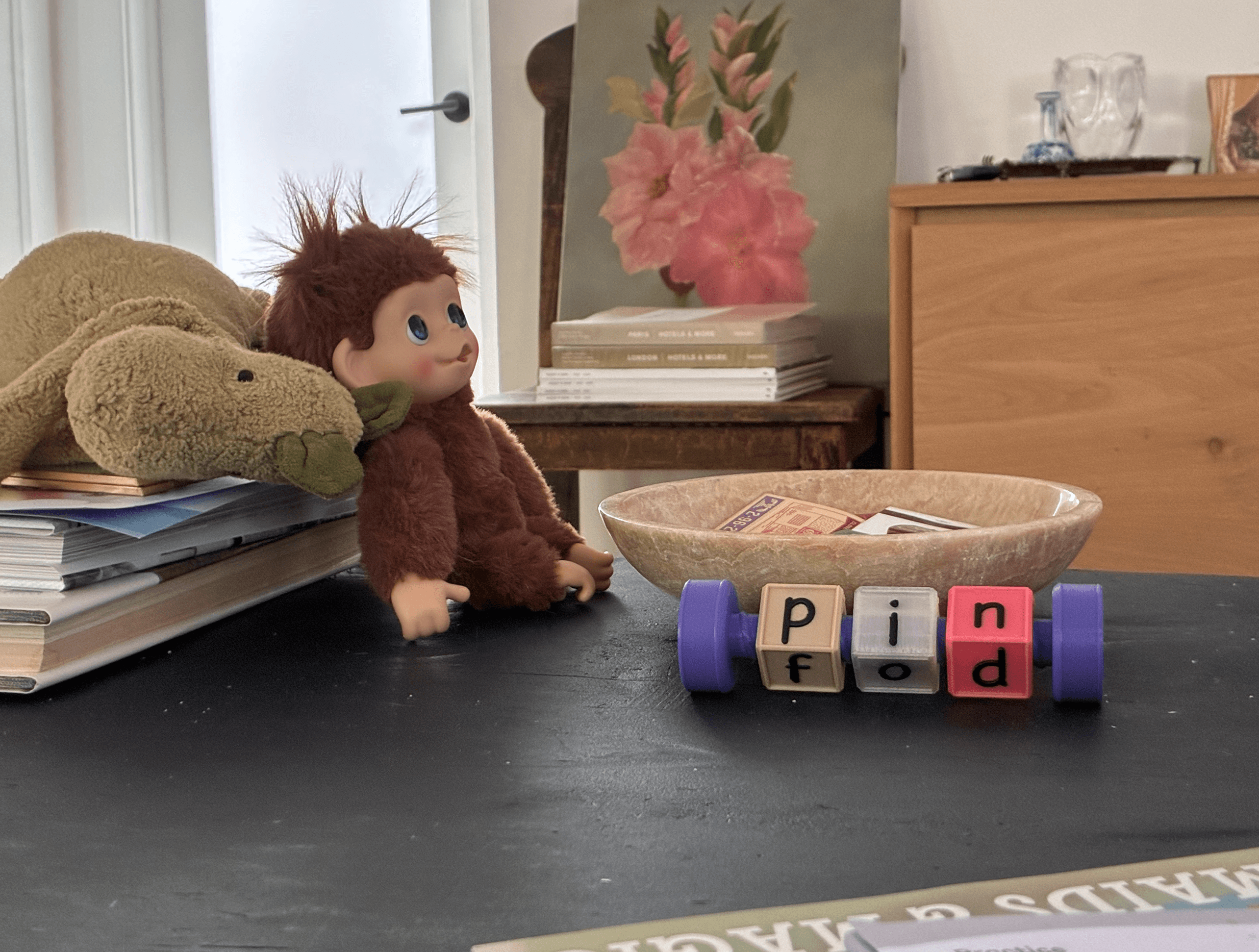
The bolt lives on the coffee table. Not in a drawer, not packed away in a box you'll have to dig out. Just sitting there, loaded with three nuts, next to the remote and whatever else accumulates on coffee tables. The vessel sits on a nearby shelf with extra nuts inside it. Once or twice a week you swap one or two nuts out for new ones. That takes about thirty seconds. The rest of the time, the bolt is already ready - the lesson plan is ready.
That matters more than it sounds like it should. The difference between "let me go get the reading thing" and "it's right there" is often the difference between a session that happens and one that doesn't.
What It Actually Sounds Like
Bath is done. Pajamas are on. There's a snack involved. You sit down together, pick up a handful of flash cards, and hold up the first one. "What sound does this make?" Maybe they get it instantly. Maybe they pause. If they know it, you say "nice" and move on. If they don't, you say the sound yourself and keep going. No correction, no lingering. Just rhythm. This part takes about sixty seconds.
Now the bolt. Three nuts are already there from your previous session. Something like S, I, P. You point to the first nut. "What sound?" There's a small pause. Then it comes. /s/. "Good. How about this one?" /i/. "And this one?" /p/. Three sounds, each on its own, with a small moment of recognition built into each one.
Then the stretch. You put your finger on the first nut and start the sound yourself. "Sssssss..." You hold it, open your hand slightly, and leave space. Most of the time, they meet you in it. Their voice finds the stretch, carries the blend forward, and the word lands. "Sip." They look up. It's not a dramatic moment. It's quieter than that. It's a child who just built a word out of sounds - and knows they did.
You rotate the last nut, once. The P becomes a T. Same process. Point, ask, stretch, blend. "Sit." Another turn. "Siz." That's not a real word, and that's fine. Another turn. "Sic." Another. "Sig." One more and the original word comes back around. "Sip." Five words blended in about ninety seconds.
Then the middle nut rotates. Beginning and ending stay put. "Sap." "Sop." "Sep." Each time the child hears how one change in the center transforms the entire word. The pauses between sounds get shorter. The stretch gets smoother.
Then the first nut. "Mip." "Fip." "Lip." By this point, the child is often anticipating the blend before you start the stretch. The structure feels predictable. Predictable starts to feel easy. And soon, so does reading.
The Hard Nights
Now, some nights it doesn't go like this. Some nights they want to spin all the nuts at once before you've started. Some nights three rotations is all you get. That's fine. The session doesn't need to be perfect to be useful. Three successful blends on a hard night still count. Two count. The fact that you sat down together counts.
Ending early isn't quitting. It's protecting the experience. A session that ends on a neutral note tonight means a child who's willing to try again tomorrow.
What Five Minutes Holds
The whole thing takes five minutes. No lesson plan, no prep, no worksheets. Just three nuts on a bolt, a handful of flash cards, and a parent who showed up. The bolt goes back on the coffee table. The snack gets finished. Bedtime happens.
Over time, those five minutes start to add up. Not in a way you notice day to day. But in the way a child reaches for a sound a little faster. In the way they stop guessing and start trusting the process. In the way they look up after a clean blend with that steady, quiet pride.
You don't need to be a teacher for this. You just need the bolt on the coffee table and five minutes after bath.
Michael Land is an education designer focused on early literacy, phonemic awareness, and sound-first reading systems.